

What You Need to Know: Mobile-Free Schools
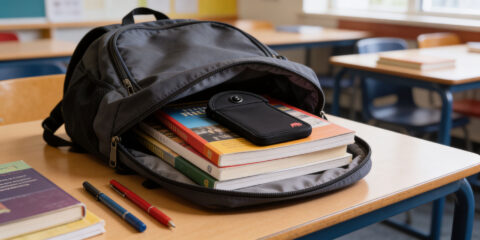
On 19 February 2026, the Department for Education published updated guidance on mobile phones in schools, setting out a clear expectation that schools across England should become “mobile phone-free environments by default.”
The guidance forms part of the government’s wider focus on behaviour, safeguarding, wellbeing and improving concentration in classrooms, with schools encouraged to prohibit mobile phone use throughout the entire school day, including:
- Lessons
- Breaktimes
- Lunchtimes
- Between lessons
The message from government is clear: schools are being encouraged to take stronger action to reduce digital distraction and create calmer learning environments.
You can read the full guidance here: Mobile phones in schools GOV UK
What Does the New Guidance Say?
The guidance recommends that schools implement policies where pupils do not have access to their mobile phones during the school day.
This includes not only smartphones, but also devices with similar functionality, such as:
- Smartwatches
- Devices capable of messaging
- Devices with recording functionality
The Department for Education states:
“All schools should be mobile phone-free environments by default.”
The guidance also highlights concerns around:
- Classroom disruption
- Loss of focus
- Online bullying
- Social pressures
- Safeguarding risks
- Mental health impacts
What Schools Need to Consider
While the guidance is non-statutory, schools are strongly encouraged to review their behaviour policies and implement clear systems around mobile phone use.
Key considerations include:
Storage and Security
Schools will need practical systems for:
- Safe storage
- Daily collection
- Secure handling
- Reducing safeguarding risks
Communication with Parents
The guidance places significant emphasis on parent buy-in and transparency.
Schools are encouraged to:
- Clearly communicate expectations
- Explain the reasons behind restrictions
- Reassure families around pupil safety
Consistent Enforcement
Policies should be:
- Simple
- Easy to understand
- Applied consistently
The guidance also confirms schools can lawfully:
- Confiscate devices
- Use sanctions
- Carry out searches where appropriate
SEND and Reasonable Adjustments
Importantly, the guidance recognises that some pupils may require access to mobile phones for medical or SEND-related reasons.
Examples include:
- Diabetes monitoring
- Medical communication apps
- Individual safeguarding needs
Schools are expected to make reasonable adjustments where necessary under the Equality Act 2010.
Different Approaches Schools Are Taking
The government has also published real-life case studies showing how schools are already implementing mobile-free environments successfully.
These include:
- Lockable mobile phone pouches
- Collection systems at school gates
- Locker-based storage
- Hand-in systems
- Smartphone-free year groups
You can read the case studies here: Mobile-Free School UK Gov Case Studies
A Growing Shift Towards Mobile-Free Schools
Across England, more schools are now exploring practical ways to reduce digital distraction while still allowing pupils to carry devices safely to and from school.
As schools prepare for September 2026 and beyond, the challenge for many leaders will be finding solutions that are:
- Secure
- Scalable
- Easy to manage
- Consistent for staff
- Clear for parents
Keep an eye on our new product - RHINO Phone Pouch, helping you support mobile-free environments!
 Other News